

Clear Answers About Steel Water Tank Solutions
FAQs
Our FAQ page addresses common questions about steel bolted water tanks, installation, fire protection storage, rainwater harvesting, and system maintenance. Whether you’re a homeowner, contractor, or municipality, these answers are designed to help you make informed decisions about reliable, long-term water storage solutions.
- Home
- FAQs
Company & Services
About Us
What products and services does Living Water Industries offer?
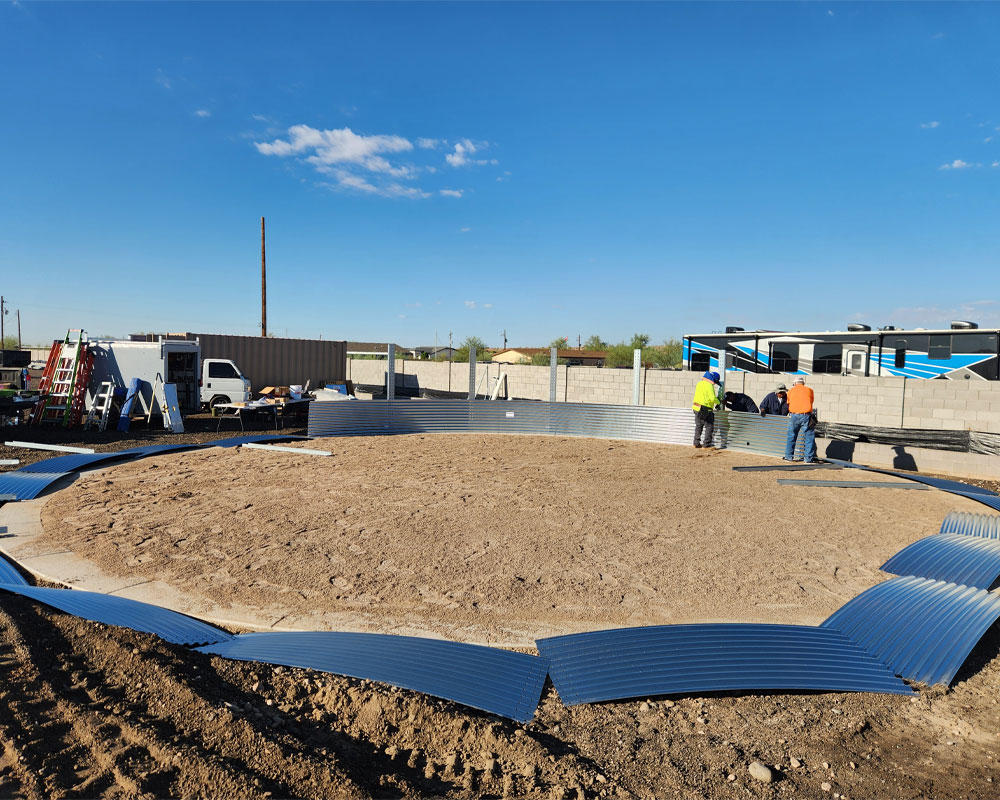
Living Water Industries provides complete steel bolted water tank solutions, including professional tank delivery and installation, system consulting, and ongoing maintenance support. Our services cover tank sizing, site planning, engineering coordination, full erection, system testing, and long-term performance inspections for residential, agricultural, commercial, municipal, and fire protection applications.
How does Living Water Industries ensure the quality of its water storage tanks?
We build premium steel bolted tanks engineered for extreme durability, easy maintenance, long service life, and compliance with safety and environmental standards—giving customers lasting performance and peace of mind.
Where does Living Water Industries install water tanks?
Based in Arizona, Living Water Industries serves homeowners, developers, and businesses nationwide, with installations tailored to local needs and environmental conditions.
Why choose custom-designed tanks over off-the-shelf water tanks?
Custom designs provide optimized storage capacity, site-specific engineering, and integration with fire protection or irrigation systems—ensuring efficient water management that off-the-shelf tanks can’t match.
What types of properties benefit from Living Water Industries’ solutions?
Our solutions support residential homes, agricultural operations, commercial complexes, industrial facilities, schools, healthcare campuses, and municipal projects that require reliable, high-capacity water reserves.
Water Conservation
Why is water conservation critical in today’s environment?
Water conservation protects scarce natural water resources, reduces stress on municipal supplies, lowers energy use, and helps communities adapt to drought conditions and population growth.
How do water storage systems contribute to conservation efforts?
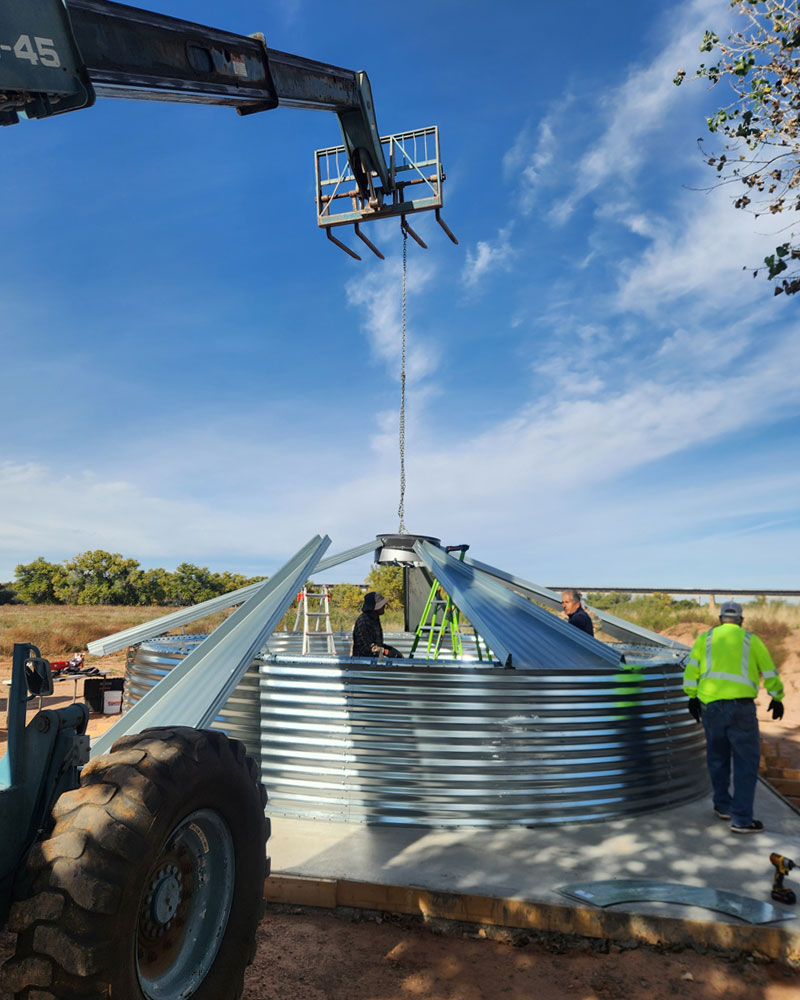
Water tanks capture rainfall and store water for later use, reducing dependence on mains water, cutting utility costs, and minimizing extraction from stressed water basins.
What role does rainwater harvesting play in sustainable water use?
Rainwater harvesting collects natural precipitation, allowing properties to use stored water for irrigation, cleaning, landscape watering, and other non-potable needs, thereby lowering consumption of treated water.
Can water conservation help protect local ecosystems?
Yes, by reducing withdrawal from streams, rivers, and aquifers, conservation preserves habitat, protects water quality, and supports long-term ecosystem health.
How does water conservation save money for homeowners and businesses?
Conserving and storing water reduces water bills, lowers pumping and treatment costs, and decreases reliance on expensive supplemental water deliveries.
Water Storage
What are the primary reasons to install a water storage tank?
Water storage tanks ensure emergency preparedness, fire protection compliance, uninterrupted supply during infrastructure failures, irrigation access, and long-term water independence.
How do water storage tanks assist in drought resilience?
By banking water during wet periods, tanks provide a reserve supply when rainfall is low or municipal delivery is restricted, helping households and facilities weather drought without interruption.
What is the benefit of storing water for fire protection?
Dedicated fire control tanks provide code-compliant, pressurized water reserves that can be accessed immediately during emergencies, safeguarding properties and lives.
Can water storage tanks improve operational continuity for businesses?
Yes—tanks help businesses avoid downtime due to water interruption, maintain pressure for industrial processes, and stabilize production even during supply fluctuations.
Are water storage systems a good investment for agricultural needs?
Absolutely, large tanks allow farms and ranches to store ample water for irrigation, livestock, and crop production, reducing vulnerability to seasonal shortages and weather variability.
Land Preparation
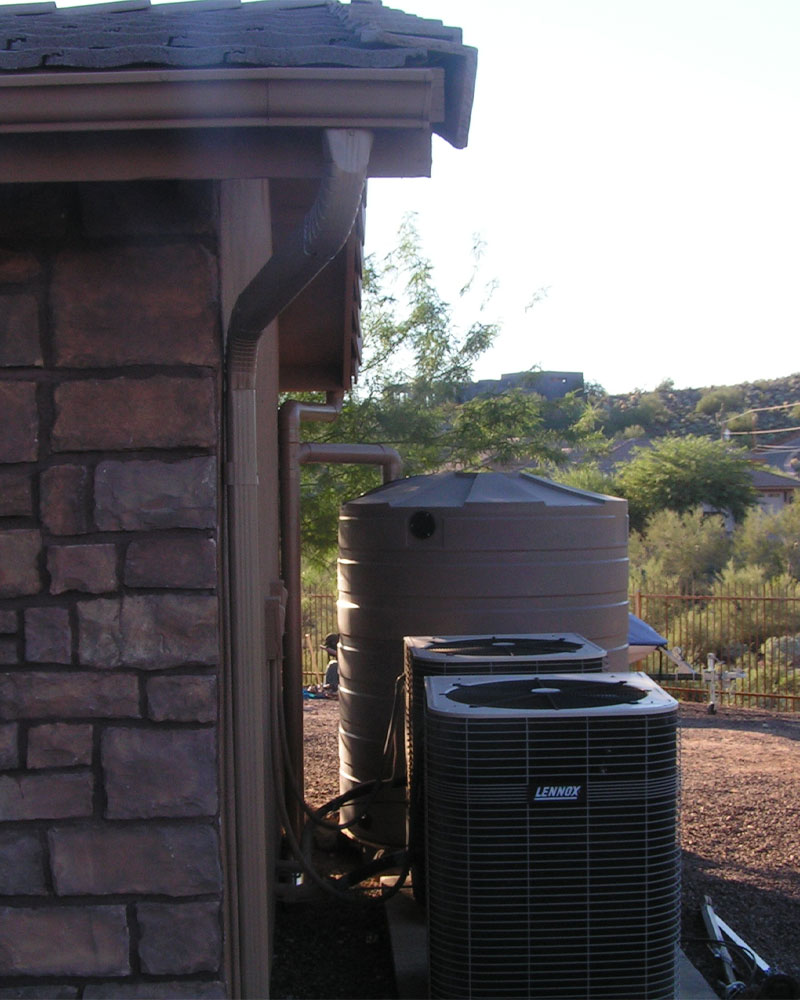
Why is proper land preparation essential before installing a water tank?
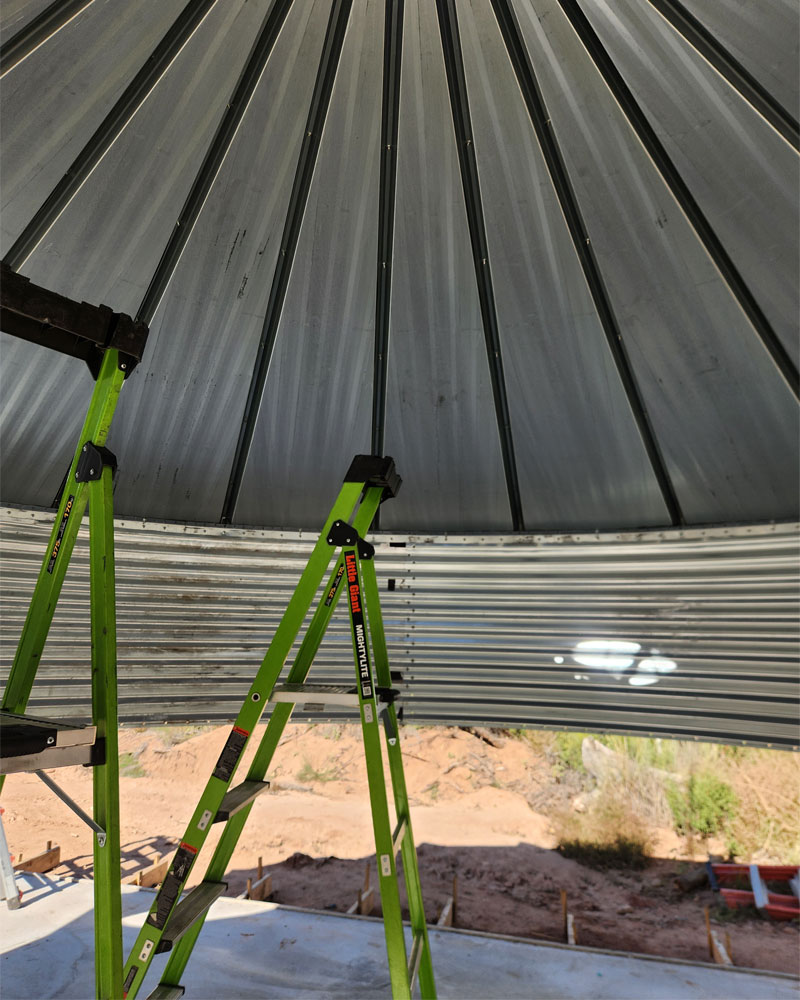
Correct land preparation ensures stable foundation support, proper drainage, secure anchoring, and minimized soil erosion, which are critical for long-term tank integrity and safety.
How do soil type and topography affect water tank installation?
Soil bearing capacity, slope, and compaction influence how a tank sits; rocky, sandy, or soft soils may require additional grading, compaction, or engineered bases to prevent shifting or settling.
Do you need permits before installing a large water storage tank?
Many jurisdictions require building or water use permits, especially for above-ground tanks or systems tied to municipal infrastructure—so confirm with local authorities before installation.
What ground-level preparations prevent water contamination and stagnation?
Proper grading, gravel bases, perimeter drains, and secure seals keep standing water and debris away from the tank base, reducing contamination risk and extending system life.
Should you consult an engineer for water tank placement?
For large-capacity or commercial installations, engineering review ensures compliance with load requirements, seismic considerations, and structural stability, protecting investment and safety.
General Water Tank & Water Storage FAQs
What size water tank do I need for my property?
Tank size depends on water usage patterns, storage goals, roof catchment area for rainwater systems, and emergency reserve needs. Professional consultation helps determine ideal capacity.
What materials are water tanks made from, and how do they compare?
Common materials include steel for durability and strength, polyethylene for lightweight versatility, fiberglass for corrosion resistance, and concrete for long-term storage capacity.
How long do quality water storage tanks last?
Well-built tanks, especially steel bolted systems, can last decades with proper maintenance, offering a strong return on investment and reliable service life.
Do water tanks require regular maintenance?
Yes, periodic cleaning, inspection for leaks or corrosion, seal checks, and water quality monitoring ensure tanks remain safe, efficient, and contamination-free.
Can stored water be used for drinking?
Yes, when tanks are equipped with proper filtration, sanitary design, and treatment systems, stored rainwater or well water can be made safe for potable use, although local regulations and treatment standards apply.
Let’s Build the Right Water Storage Solution
Have questions or ready to get started? Our team is here to help you plan, size, and install a steel bolted water tank system built for safety, reliability, and long-term performance.