Frequently Asked Questions
How can I obtain a price estimate for installing a system on my property?
To get a price estimate for installing a system on your property, contact Living Water Industries for a personalized quote.
What are the primary advantages of using steel bolted systems for water storage?
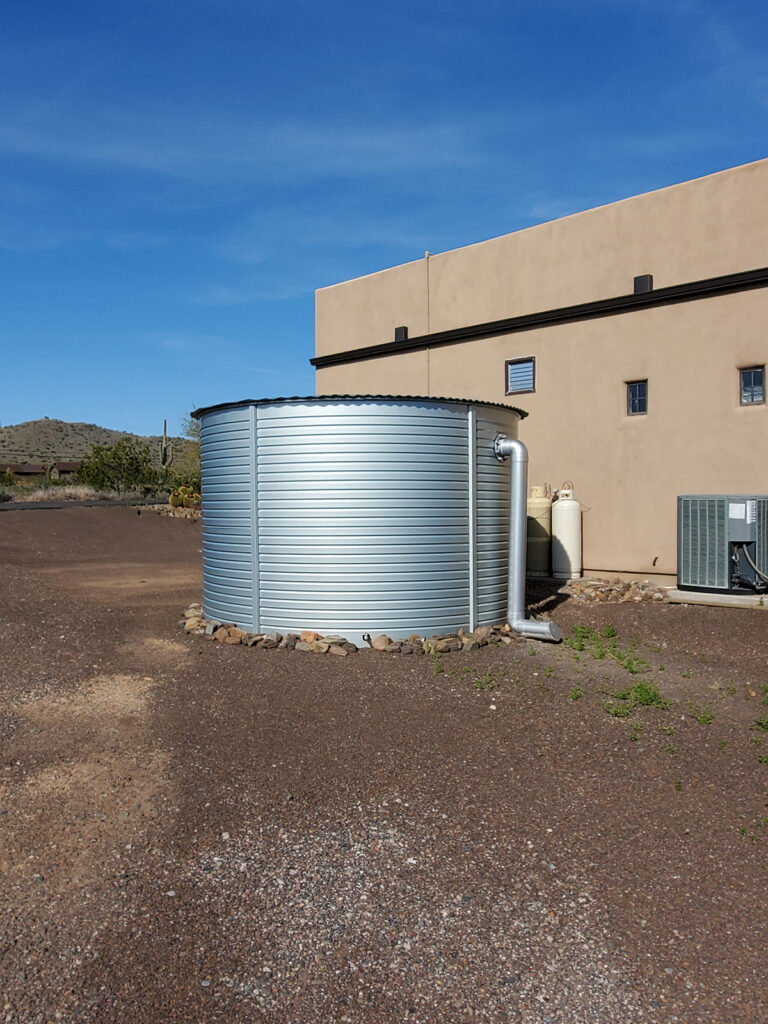
The primary advantages of steel bolted systems for water storage are their exceptional durability, structural strength, and modular design, which allow for efficient, long-term water conservation across residential, agricultural, and commercial applications in diverse environments.
Does your company provide installation services for residential or agricultural projects?
Living Water Industries provides professional installation services for both residential and agricultural projects. We specialize in installing durable, steel bolted rainwater harvesting tanks tailored to meet the unique water storage needs of homes, farms, and commercial properties.
Are these solutions suitable for municipal water conservation needs?
These solutions are highly suitable for municipal water conservation needs. Our durable steel bolted tanks provide large-scale, efficient water storage, helping municipalities manage resources effectively, reduce infrastructure strain, and meet long-term sustainability goals for their communities.
What specific expertise does the company offer regarding water storage systems in the region?
The specific expertise Living Water Industries offers includes professional installation of durable steel bolted rainwater harvesting tanks, tailored to meet the unique residential, agricultural, commercial, and municipal water storage needs throughout Arizona and the surrounding region.
How do I request a quote for my project?
Requesting a quote for your rainwater harvesting project is simple; please visit our website’s contact page or call us directly to discuss your specific residential, agricultural, or commercial needs with our expert team today.
What makes steel bolted tanks durable for water storage?
Steel bolted tanks are durable for water storage because they are engineered with high-strength, corrosion-resistant steel panels and specialized liners, ensuring a robust, long-lasting structure capable of withstanding harsh environmental conditions and heavy water loads.
Does your company serve residential properties in Arizona?
Living Water Industries serves residential properties in Arizona by providing expert installation of durable steel bolted rainwater harvesting tanks, helping homeowners effectively conserve water and maintain a reliable, sustainable supplemental water supply for their properties.
Are your storage systems suitable for large agricultural operations?
Our storage systems are highly suitable for large agricultural operations. Living Water Industries provides durable, high-capacity steel bolted tanks specifically engineered to meet the demanding water storage and conservation needs of large-scale farming and irrigation projects.
Can these systems help with municipal water conservation efforts?
These systems significantly assist municipal water conservation efforts by reducing demand on public infrastructure. By capturing and storing rainwater, our steel bolted tanks provide a sustainable, supplemental water source that lessens the strain on local municipal supplies.
How experienced is your team with regional water installations?
The experience of our team with regional water installations is extensive, as we specialize in designing and installing durable, steel bolted rainwater harvesting systems tailored specifically to the unique environmental demands of Arizona and surrounding states.
What maintenance is required for your water storage tanks?
The maintenance required for our steel bolted rainwater harvesting tanks involves periodic inspections of the tank structure, cleaning the gutters, and checking the filtration systems to ensure optimal water quality and long-term storage efficiency.
Are your tanks resistant to harsh desert weather conditions?
Our steel bolted rainwater harvesting tanks are specifically engineered to withstand harsh desert weather. Their durable, high-quality construction ensures long-term resilience against intense UV exposure and extreme temperature fluctuations common throughout Arizona and surrounding regions.
How long does the installation process typically take?
The installation process for our steel bolted rainwater harvesting tanks typically takes between one to three days, depending on the tank size, site preparation requirements, and specific project complexity for your residential, agricultural, or commercial needs.
Can I use these tanks for commercial building needs?
Commercial building needs can be fully supported by our steel bolted rainwater harvesting tanks, which are expertly designed to provide durable, high-capacity water storage solutions for various large-scale commercial, municipal, and industrial applications throughout Arizona and beyond.
Do you offer customized solutions for unique property layouts?
Living Water Industries offers customized rainwater harvesting solutions tailored to your unique property layout. We assess your specific site requirements to design and install durable, efficient steel bolted tanks that perfectly integrate with your residential or commercial space.
What is the capacity range for your storage units?
The capacity range for our steel bolted rainwater harvesting tanks is highly versatile, offering custom storage solutions that span from small residential setups to large-scale municipal and agricultural systems exceeding hundreds of thousands of gallons.
Are there benefits to choosing bolted steel over plastic?
The benefits of choosing bolted steel over plastic include superior durability, greater structural integrity, and a significantly longer lifespan. Steel tanks offer robust, reliable water storage solutions that withstand harsh environmental conditions better than traditional plastic alternatives.
Does your company provide site assessments for new clients?
Site assessments for new clients are a standard part of our service. Living Water Industries evaluates your property’s specific needs to design the most efficient and durable rainwater harvesting system for your residential or commercial project.
How do these systems support sustainable water management?
These systems support sustainable water management by capturing and storing rainwater, which reduces reliance on municipal supplies, mitigates groundwater depletion, and promotes efficient resource conservation for residential, agricultural, and commercial properties across Arizona and surrounding regions.
What is the expected lifespan of your steel tanks?
The expected lifespan of our steel bolted rainwater harvesting tanks is typically 30 to 40 years or more, provided they are properly maintained, ensuring a durable and reliable long-term water storage solution for your residential or commercial needs.
Are your services available outside of the Arizona area?
Living Water Industries provides rainwater harvesting tank installation services primarily throughout Arizona and its surrounding states. We encourage you to contact our team directly to discuss your specific project location and determine how we can assist you.
Can you assist with the design of my system?
Yes, we can assist with the design of your rainwater harvesting system, ensuring it meets your specific needs and local regulations.
What safety standards do your storage tanks meet?
The safety standards our storage tanks meet ensure durability and water quality. Our steel bolted tanks are engineered to comply with rigorous industry safety codes and local municipal requirements, providing reliable, secure water storage for all your harvesting needs.
How do your systems handle seasonal rainfall fluctuations?
Our systems handle seasonal rainfall fluctuations by utilizing high-capacity steel bolted tanks designed to capture and store significant runoff during peak periods, ensuring a reliable, consistent water supply for your property throughout the drier, non-rainy months.
Do you offer warranties on your installed storage systems?
Warranties for our installed storage systems are provided to ensure your peace of mind. Living Water Industries stands behind our professional installations and high-quality steel bolted tanks with comprehensive coverage options tailored to your specific project requirements.
Are your tanks certified for potable water storage use?
Our tanks are certified for potable water storage use, as they are engineered with food-grade liners that meet strict safety standards, ensuring your harvested rainwater remains clean, safe, and suitable for all your residential or commercial drinking needs.
How do I contact your team for a consultation?
You can contact our team for a consultation by visiting our website’s contact page to submit an inquiry form, or by calling us directly to discuss your rainwater harvesting project and receive a personalized quote for your needs.
Does your company handle both installation and system maintenance?
Living Water Industries provides comprehensive support, handling both the professional installation of your steel bolted rainwater harvesting tanks and ongoing system maintenance to ensure your water storage remains efficient, durable, and reliable for years to come.
Why should I choose your company for my needs?
Choosing Living Water Industries for your needs ensures high-quality, durable steel bolted rainwater harvesting solutions backed by extensive regional expertise, providing you with reliable, efficient, and sustainable water storage installations tailored for residential, agricultural, and commercial applications.