Frequently Asked Questions
How do I properly maintain a steel bolted water tank in Arizona?
Proper maintenance of a steel bolted water tank in Arizona involves regular inspections for corrosion or leaks, monitoring water quality, ensuring the tank remains debris-free, and scheduling professional servicing to address the unique challenges of the desert climate.
What are the common maintenance requirements for residential water storage systems?
Common maintenance requirements for residential water storage systems include regularly inspecting tanks for leaks or corrosion, monitoring water pressure levels, checking filtration components, and scheduling professional cleaning to ensure water quality and system longevity remain optimal.
Which types of water storage solutions are best suited for agricultural use in the Southwest?
The best water storage solutions for agricultural use in the Southwest are steel bolted water tanks. These durable, high-capacity systems are specifically engineered to withstand harsh desert climates, ensuring reliable water access for livestock and crop irrigation.
Where can I find detailed resources regarding well water pressure tank care?
Detailed resources regarding well water pressure tank care can be found in the Living Water Industries Resource Center, which offers expert guides and maintenance tips to ensure your water storage system remains efficient and reliable.
What factors should I consider when selecting a water storage tank for commercial applications?
The factors to consider when selecting a commercial water storage tank include the required storage capacity, site-specific space constraints, local regulatory compliance, material durability, and the intended application, such as fire protection, irrigation, or potable water supply needs.
How often should steel water tanks be inspected?
Steel water tanks should be inspected at least once a year to ensure structural integrity and water quality. Regular professional checks help identify potential corrosion or sediment buildup early, maintaining the longevity of your Living Water Industries storage system.
What are the best methods for cleaning storage tanks?
The best methods for cleaning storage tanks involve professional draining, scrubbing interior surfaces with a mild chlorine solution, and thorough rinsing. We recommend scheduling annual inspections and professional cleanings to ensure water quality and system longevity.
Are steel bolted tanks durable in desert climates?
Steel bolted tanks are exceptionally durable in desert climates. Engineered for the harsh Arizona environment, our high-quality steel construction resists extreme heat, intense UV exposure, and corrosion, providing long-lasting, reliable water storage for any application.
How does sediment build up in water storage tanks?
Sediment builds up in water storage tanks when minerals, sand, or organic particles enter through the water source or venting system. Over time, these materials settle at the bottom, creating a layer that requires periodic professional cleaning.
Can residential tanks provide water for fire protection?
Residential tanks can provide water for fire protection when specifically designed and sized for that purpose. It is essential to consult local fire codes and Living Water Industries to ensure your system meets necessary capacity and flow requirements.
What are the advantages of using steel water tanks?
The advantages of using steel water tanks include superior durability, exceptional strength, and long-term reliability. These robust, bolted structures provide a cost-effective, low-maintenance solution for secure water storage across residential, agricultural, and municipal applications in the Southwest.
How do I prevent algae in my water tank?
Preventing algae in your water tank is primarily achieved by blocking sunlight, which fuels growth. Ensure your tank is opaque, keep all access hatches tightly sealed, and perform regular professional cleanings to maintain optimal water quality and safety.
Is routine maintenance required for agricultural water systems?
Routine maintenance is essential for agricultural water systems to ensure operational efficiency and longevity. Regular inspections and servicing prevent costly equipment failures, maintain water quality, and guarantee a reliable water supply for your livestock and irrigation needs.
What causes pressure loss in well water systems?
Pressure loss in well water systems is commonly caused by a failing pressure tank, a malfunctioning pressure switch, clogged sediment filters, or leaks in the plumbing infrastructure that disrupt consistent water flow throughout your property.
How do I select the right size water tank?
Selecting the right size water tank involves assessing your daily consumption needs, peak usage demands, and available space. Consult with Living Water Industries to evaluate your specific residential, agricultural, or commercial requirements for optimal storage capacity and efficiency.
Are there municipal regulations for private water storage?
Municipal regulations for private water storage vary significantly by location. You must consult your local city or county building department to confirm specific zoning, permitting, and safety requirements applicable to your steel bolted water tank installation.
How long do steel water storage tanks typically last?
The lifespan of steel bolted water tanks typically ranges from 30 to over 50 years. With proper maintenance and regular inspections, these durable storage solutions provide reliable, long-term water security for residential, agricultural, and municipal applications.
What signs indicate a leaking water storage tank?
Signs that indicate a leaking water storage tank include unexplained wet spots or puddles near the base, a drop in water pressure, visible rust or corrosion on the steel panels, and an unusually high well pump cycling frequency.
How do I improve well water pressure effectively?
Improving well water pressure effectively involves adjusting your pressure switch, checking your pressure tank’s air charge, or installing a constant pressure system. If issues persist, consult a professional to inspect your pump and well system components.
Can tanks be customized for specific agricultural needs?
Tanks can indeed be customized for specific agricultural needs. Living Water Industries tailors steel bolted water tanks with specialized fittings, capacities, and configurations to meet the unique water storage and irrigation requirements of your agricultural operations.
What is the process for installing bolted tanks?
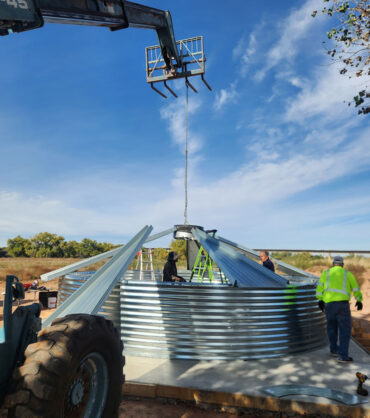
The process for installing bolted tanks involves site preparation and foundation pouring, followed by the systematic assembly of steel panels, installation of specialized gaskets and hardware, and a final rigorous inspection to ensure a secure, leak-proof water storage solution.
How do weather conditions affect water tank integrity?
Weather conditions affect water tank integrity by causing thermal expansion, UV degradation, and potential corrosion from extreme temperatures or storms. Our steel bolted tanks are engineered to withstand these environmental stressors, ensuring long-term durability across the Southwest.
Are there specific filters for well water systems?
Specific filters for well water systems are essential to remove sediment, minerals, and bacteria. Common options include sediment, carbon, and reverse osmosis filters, which ensure your stored water remains clean, safe, and high-quality for all your household needs.
How do I protect tanks from extreme heat?
Protecting water tanks from extreme heat involves installing reflective coatings, utilizing shade structures, or burying the tank. These methods help maintain stable water temperatures, prevent material degradation, and ensure the longevity of your Living Water Industries storage system.
What makes steel superior to other storage materials?
Steel is superior to other storage materials because it offers unmatched durability, structural integrity, and longevity. These robust steel bolted tanks provide a reliable, long-term solution for water storage, effectively withstanding the harsh environmental conditions across Arizona and the Southwest.
How are water tanks tested for structural safety?
Water tanks are tested for structural safety through rigorous engineering analysis, hydrostatic pressure testing, and quality inspections of steel panels and seals to ensure they meet industry standards for durability and load-bearing capacity under full capacity conditions.
Can commercial tanks support high-volume water demands?
Commercial tanks are specifically engineered to support high-volume water demands. Our steel bolted tanks provide the robust durability and large-scale capacity necessary to reliably meet the extensive storage requirements of commercial, agricultural, and municipal operations.
What maintenance is needed for pump pressure tanks?
The maintenance needed for pump pressure tanks includes periodically checking air pressure levels, inspecting the tank for signs of corrosion or leaks, and ensuring the pressure switch functions correctly to maintain consistent water flow and system longevity.
How do I winterize my Arizona water system?
Winterizing your Arizona water system involves insulating exposed pipes and valves, draining outdoor faucets, and ensuring your tank’s heating elements are functional to prevent freezing during cold desert nights, protecting your equipment from potential structural damage.
Are these storage solutions environmentally friendly to install?
Our steel bolted water tanks are environmentally friendly to install because they utilize durable, recyclable materials and require minimal site disruption, helping to preserve the natural landscape while providing sustainable, long-term water storage solutions for your property.