


How to Tell When Your Well Water Pressure Tank Needs to Be Replaced And What to Do Next
Well water pressure tanks play a crucial role in maintaining consistent water pressure in your home. Understanding when to replace your pressure tank can prevent unexpected water supply issues and costly repairs. This article will guide you through the signs that indicate your well water pressure tank may need replacement, the factors influencing replacement costs, and the steps involved in the replacement process. Additionally, we will discuss maintenance tips to extend the life of your tank and the consulting and installation services offered by Living Water Industries, a leader in water storage solutions.
Research highlights the importance of these systems in ensuring a stable and reproducible water supply.
Water Pressure Tank Development & Supply Stabilization
The problem under study is to ensure the stabilization of the water supply process by the hydraulic structure, as well as to improve its reproducibility without changing the pressure characteristics.
Experience and prospects for the development of water pressure tanks, 2022
Signs your pressure tank needs replacement
Identifying the symptoms of a failing pressure tank is essential for maintaining a reliable water supply. Common signs that your pressure tank may need replacement include:
- Frequent cycling: If your pump turns on and off more frequently than usual, it may indicate a problem with the pressure tank.
- Low water pressure: A noticeable drop in water pressure can signal that the tank is not functioning properly.
- Water hammer: If you experience loud banging noises in your pipes, it could be a sign of a failing tank.
- Visible leaks: Any signs of water pooling around the tank or visible rust can indicate that the tank is compromised.
Timely replacement of a failing pressure tank is crucial to avoid further damage to your well system and ensure a steady water supply. If you notice any of these symptoms, it is advisable to consult a professional.
Living Water Industries specializes in well water pressure tank replacement services, ensuring that your system is restored to optimal performance.
Understanding replacement costs & tank options
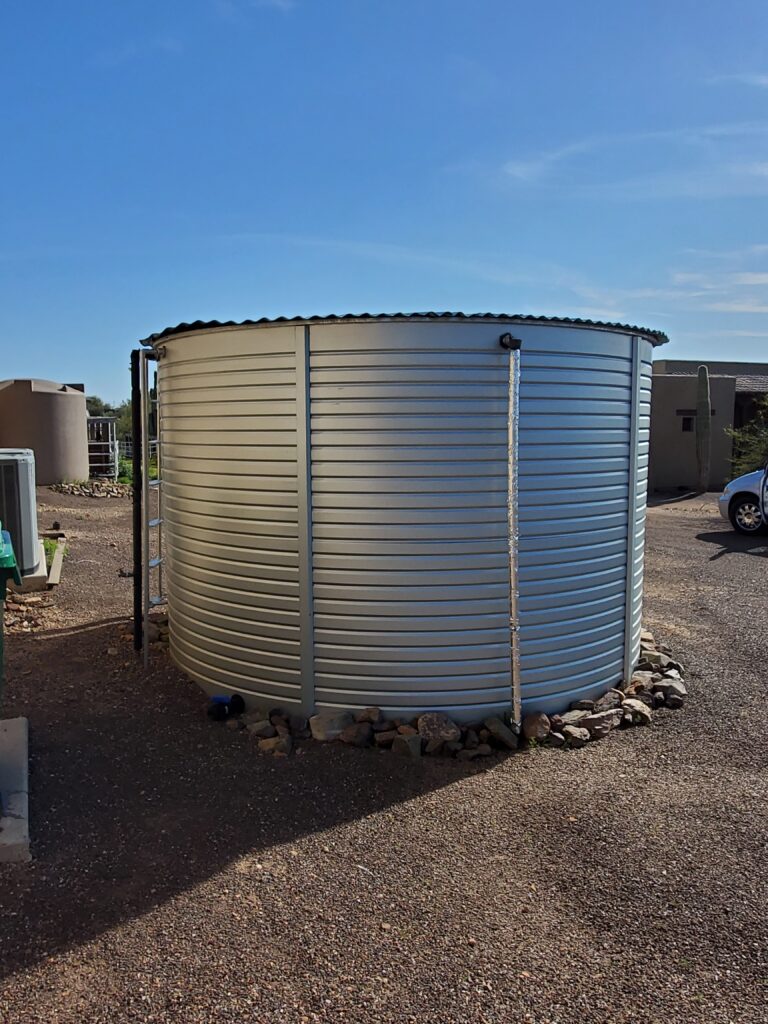
When considering a pressure tank replacement, several factors can influence the overall cost. Understanding these variables helps homeowners and property owners across Arizona make informed decisions and avoid unexpected expenses.
One of the biggest factors is the type of tank being installed. Different systems are designed for different applications, and the right choice depends on how your water system is used. In addition, installation complexity can impact labor costs especially if modifications to existing plumbing or system components are required. Location can also play a role, as pricing may vary depending on service availability throughout Arizona.
Choosing the right tank isn’t just about cost, it’s about making sure your system performs reliably in your specific environment. In Arizona, factors like extreme heat, water access, and property type all influence what kind of tank will work best.
Below is a breakdown of common tank types and how they are typically used across residential, rural, and agricultural properties:
| Tank Type | Common Use | Best For |
|---|---|---|
| Pressure Tanks | Maintain consistent water pressure in well systems | Residential homes using well water |
| Water Storage Tanks | Store large volumes of water for supply or delivery | Rural properties, water hauling |
| Polyethylene (Poly) Tanks | UV-resistant, corrosion-resistant outdoor storage | Arizona heat, outdoor installations |
| Steel Tanks | High-strength storage for demanding environments | Agricultural and commercial use |
| Backup Water Systems | Provide reserve water during outages or low pressure | Homes in low-pressure or rural areas |
Living Water Industries offers consulting services to help you choose the right tank for your needs and budget, ensuring a smooth replacement process.
Step by step replacement process
Replacing a pressure tank involves several steps to ensure proper installation and functionality. Here’s a general overview of the process:
- Turn off the power: Before beginning any work, ensure that the power to the pump is turned off to prevent accidents.
- Drain the tank: Remove any remaining water from the tank to facilitate the replacement.
- Disconnect the old tank: Carefully disconnect the old tank from the plumbing and electrical connections.
- Install the new tank: Position the new tank and connect it to the plumbing and electrical systems.
- Test the system: Once everything is connected, turn the power back on and test the system for leaks and proper operation.
Proper installation, as outlined in these steps, is critical for integrating the tank’s components into the broader water supply network.
Water Storage Tank Components & Network Connection
a valve connecting the storage tank to the primary network and a pump connecting the storage tank to the service
Improving water and energy metabolism efficiency in urban water supply system through pressure stabilization by optimal operation on water tanks, Q Chen, 2015
Following these steps will help ensure a successful replacement of your pressure tank, restoring your water supply to optimal levels.
Maintenance tips to extend tank life
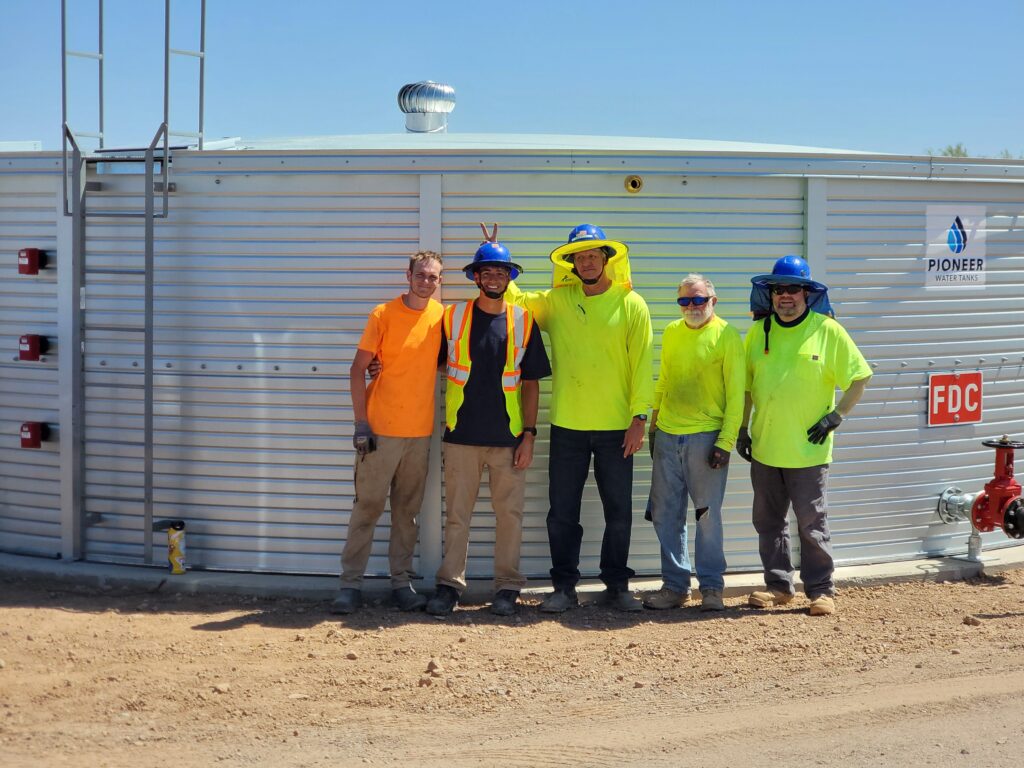
Proper maintenance plays an important role in extending the life of your pressure tank and keeping your water system running efficiently. Regular inspections can help identify early signs of wear, corrosion, or leaks before they turn into more serious problems. It’s also important to monitor pressure levels to ensure your system is operating within the recommended range, as inconsistent pressure can lead to unnecessary strain on the tank and other components.
In addition to routine checks, scheduling professional maintenance at least once a year can help catch issues that may not be immediately visible. A trained technician can evaluate the system, make adjustments, and ensure everything is functioning properly. Taking a proactive approach to maintenance not only helps prevent costly repairs but also ensures a consistent and reliable water supply over time.
Arizona Specific Water Solutions by Living Water Industries
Living Water Industries understands that water systems in Arizona require more than a one size fits all approach. From rural well systems to agricultural operations, different properties have unique demands that require tailored solutions.
Across the state, many homeowners and businesses rely on well water systems that must withstand harsh desert conditions while maintaining consistent pressure. In more remote areas, water storage tanks are often essential for hauling water or maintaining a dependable backup supply. Agricultural and ranch properties also require high capacity systems capable of supporting irrigation and livestock needs.
Because of this wide range of applications, having the right tank and the right setup is critical. Living Water Industries brings local expertise to every project, helping customers choose solutions that are built to perform in Arizona’s climate while meeting their specific water usage needs.
Expanded Tank Types and Their Applications
In addition to bladder, diaphragm, and composite pressure tanks, Living Water Industries works with a variety of tank types to suit different needs:
- Above ground storage tanks: These tanks are commonly used for large volume water storage and are available in various materials including poly and steel.
- Polyethylene (Poly) tanks: Lightweight, corrosion-resistant, and UV stabilized, poly tanks are ideal for outdoor use in Arizona’s harsh sun and heat.
- Steel tanks: Known for their durability and strength, steel tanks are suitable for high pressure applications but require protective coatings to resist rust and UV damage.
- Pressure tanks vs. storage tanks: Pressure tanks maintain water pressure in your system, while storage tanks hold large volumes of water for supply or hauling. Understanding the difference is crucial for selecting the right solution.
Our team helps you navigate these options to find the best fit for your water system requirements.
Tank Sizing Considerations for Arizona Customers
Selecting the correct tank size is one of the most important decisions when upgrading or replacing your system. The right size directly impacts efficiency, system lifespan, and overall performance.
Tank sizing depends on several factors, including your property type, water usage, and system setup. Residential homes typically require smaller tanks designed for consistent daily use, while agricultural properties often need significantly larger capacities to support irrigation and livestock demands.
It’s also important to ensure compatibility with your pump system. A mismatched tank can lead to frequent cycling, increased wear, and reduced efficiency over time. Working with a knowledgeable provider helps ensure your system is properly sized for both current needs and long term performance.
Desert Specific Challenges and Solutions
Arizona’s desert environment presents unique challenges that can impact the longevity and performance of water storage systems. High temperatures, intense sun exposure, and dusty conditions all play a role in how well a tank holds up over time.
Extreme heat can accelerate material degradation, making it essential to choose tanks designed with heat resistance in mind. UV exposure is another major factor, as prolonged sunlight can lead to cracking or weakening of materials without proper protection. In areas with heavy dust or sediment, well systems may also require additional filtration and maintenance to prevent buildup and maintain water quality.
By selecting the right materials and staying proactive with maintenance, homeowners and property owners can ensure their systems remain reliable even in Arizona’s demanding conditions.
Living Water Industries: Your Local Water Storage Authority
With decades of experience serving Arizona and surrounding areas, Living Water Industries has built a reputation as a trusted provider of well water pressure tanks and storage solutions. Their approach goes beyond basic installation, focusing on long term performance and system reliability.
From initial consultation to installation and ongoing support, their team works closely with customers to ensure every system is tailored to the property’s specific needs. Whether it’s a residential setup, agricultural operation, or commercial project, Living Water Industries delivers solutions designed to handle Arizona’s unique water challenges with confidence.
FAQs
1. How often should I inspect my well water pressure tank?
It is recommended to inspect your well water pressure tank at least once a year. Regular inspections help identify early signs of wear, leaks, or other issues that could affect the tank’s performance. During these inspections, check the pressure gauge, look for visible rust or corrosion, and ensure that all connections are secure. If you notice any irregularities, consult a professional to assess the situation and perform necessary maintenance or repairs.
2. What are the benefits of using a professional service for tank replacement?
Hiring a professional service for tank replacement ensures that the installation is done correctly and safely. Professionals have the expertise to assess your specific needs, recommend the right tank type, and handle any plumbing or electrical modifications required. Additionally, they can provide warranties on their work, ensuring peace of mind. A professional installation minimizes the risk of future issues, such as leaks or improper pressure regulation, which can save you money in the long run.
3. Can I replace my pressure tank myself?
While it is possible to replace your pressure tank yourself, it is generally not recommended unless you have experience with plumbing and electrical systems. The process involves turning off power, draining the tank, and making precise connections to ensure proper functionality. Mistakes during installation can lead to leaks, pressure issues, or even damage to your well system. If you are unsure, it is best to consult a professional to ensure a safe and effective replacement.
4. What factors should I consider when choosing a new pressure tank?
When selecting a new pressure tank, consider factors such as tank type, size, and material. The tank type should match your water system’s needs, whether for residential, agricultural, or commercial use. Size is crucial; it should accommodate your water usage without causing frequent cycling. Additionally, materials like polyethylene or steel should be chosen based on durability and environmental conditions, especially in areas with extreme temperatures or UV exposure.
5. How can I improve the lifespan of my pressure tank?
To extend the lifespan of your pressure tank, perform regular maintenance, including inspections and pressure monitoring. Keep the tank clean and free from debris, and ensure that all connections are secure. Additionally, consider scheduling annual professional maintenance checks to address potential issues before they escalate. Properly sizing your tank and ensuring compatibility with your pump system also contribute to its longevity and efficiency.
6. What should I do if I notice water pooling around my pressure tank?
If you notice water pooling around your pressure tank, it is essential to address the issue immediately. This could indicate a leak or a failure in the tank. First, turn off the power to the pump to prevent further damage. Then, inspect the tank for visible cracks or corrosion. If you cannot identify the source of the leak, contact a professional to assess the situation and recommend appropriate repairs or replacement options.
7. Are there specific maintenance tips for tanks in desert environments?
Yes, tanks in desert environments require special attention due to extreme heat and UV exposure. Regularly check for signs of material degradation, such as cracks or fading. Use UV resistant materials when possible, and consider installing protective coverings. Additionally, ensure that your tank is equipped with proper filtration systems to prevent dust and sediment buildup, which can affect water quality and tank performance. Regular maintenance checks are crucial to ensure reliability in harsh conditions.